For many households across the UK, grocery shopping represents one of the largest monthly expenses. Rising food prices, inflation, and increasing household costs have encouraged consumers to look for smarter ways to save money without sacrificing quality. Fortunately, reducing your grocery bill does not require extreme budgeting or major lifestyle changes. By shopping strategically and taking advantage of available discounts, it is possible to save hundreds of pounds every year.
Create a Weekly Shopping Plan
One of the most effective ways to save money is to plan meals in advance. Before heading to the supermarket, review what food you already have at home and create a shopping list based on your actual needs.
A shopping list helps avoid impulse purchases and reduces food waste. Many shoppers spend significantly more when they enter a store without a clear plan.
Consider planning meals for the entire week and purchasing only the ingredients required. This simple habit can make a noticeable difference to your monthly budget.
Compare Supermarket Prices
Not all supermarkets offer the same prices. While some stores focus on premium products, others compete by offering lower everyday prices.
Comparing prices between retailers can help identify the best value. Many shoppers regularly compare offers from Aldi, Lidl, Tesco, Asda, Morrisons, and Sainsbury’s before deciding where to shop.
Even small differences in product prices can add up over time, especially for larger households.
Use Loyalty Programs
Loyalty cards have become a major source of savings for UK shoppers. Many supermarkets offer exclusive member pricing, personalized discounts, reward points, and promotional offers.
By using loyalty programs consistently, customers can unlock discounts that are not available to non-members.
The key is to take advantage of offers on products you already intend to buy rather than purchasing unnecessary items simply because they are discounted.
Buy Store Brand Products
Supermarket own-brand products have improved significantly in recent years. In many cases, store brands offer similar quality to well-known products while costing considerably less.
Switching from premium brands to supermarket alternatives can reduce grocery spending without affecting overall satisfaction.
Many consumers are surprised to discover that own-brand products often perform just as well in independent taste tests.
Take Advantage of Weekly Promotions
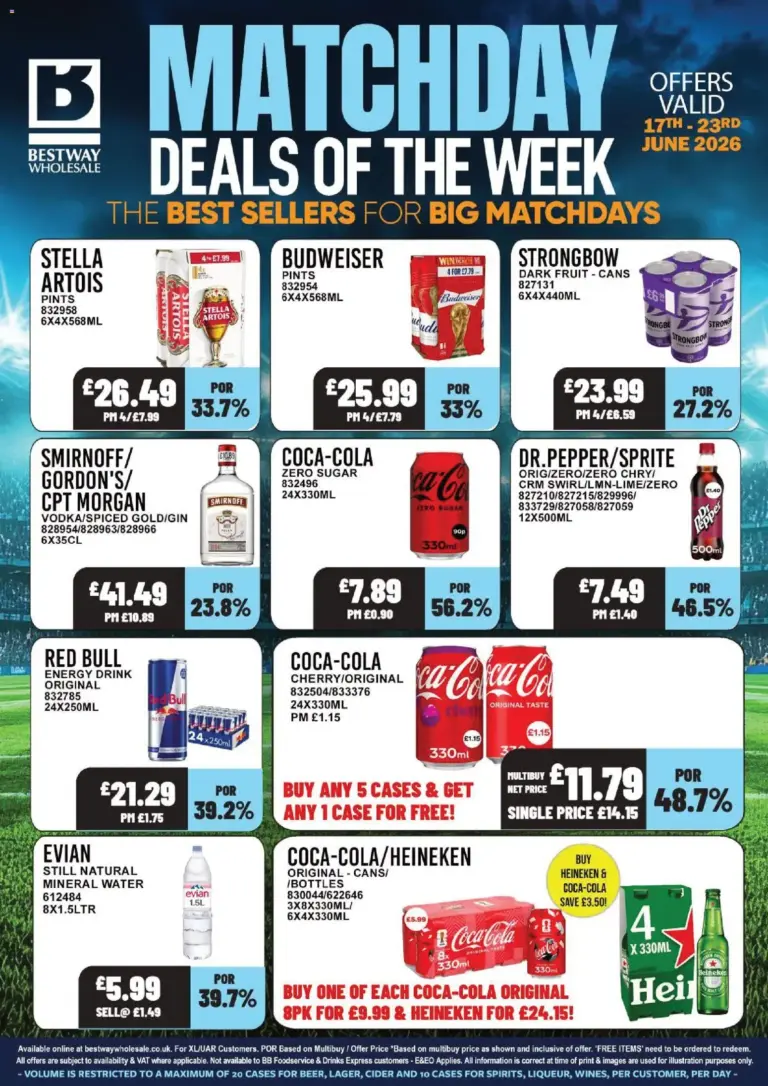
Most supermarkets update their promotional offers every week. These discounts can include fresh produce, household essentials, frozen foods, personal care products, and beverages.
Checking current promotions before shopping allows customers to build meal plans around discounted items.
Many shoppers save money by adjusting their weekly purchases based on available offers rather than buying the same products every week regardless of price.
Avoid Shopping When Hungry
Although it sounds simple, shopping while hungry can lead to higher spending. Research consistently shows that hungry consumers are more likely to make impulse purchases and buy unnecessary products.
Having a meal or snack before visiting the supermarket can help shoppers stay focused on their shopping list and budget.
Consider Frozen and Long-Life Products
Fresh products are important, but frozen foods can often provide better value and reduce waste.
Frozen vegetables, fruits, and certain prepared meals typically have longer shelf lives and can be used when needed without worrying about spoilage.
Keeping a selection of frozen essentials at home may reduce the number of emergency shopping trips and help households save money over time.
Look Beyond the Shelf Price
The cheapest item is not always the best value. Comparing unit prices can help shoppers identify which product offers the lowest cost per gram, kilogram, litre, or item.
Supermarkets usually display unit pricing on shelf labels, making it easier to compare products of different sizes.
Buying larger packs can sometimes reduce the cost per unit, although this strategy only works when the product will actually be used before it expires.
Use Cashback Opportunities
Cashback services have become increasingly popular among online shoppers. These platforms allow users to earn a percentage of their spending back after making purchases through participating retailers.
While cashback rewards may seem small initially, regular use can generate meaningful savings throughout the year.
Combining cashback with discounts and promotional codes can increase overall savings even further.
Reduce Food Waste
Food waste costs UK households a substantial amount of money every year. Throwing away unused food is essentially throwing away money.
Simple habits such as organizing your refrigerator, freezing leftovers, and planning meals around ingredients you already own can help reduce waste and lower grocery costs.
Using older products before purchasing new ones is another effective strategy.
Shop During Major Sales Events
Seasonal promotions can provide excellent opportunities to save money on household essentials and non-perishable products.
Events such as Black Friday, January sales, Easter promotions, and holiday discounts often include special offers on a wide range of products.
Planning larger purchases around these sales periods can help maximize value.
Set a Monthly Grocery Budget
Tracking spending is an important step toward controlling costs. Setting a realistic grocery budget helps households understand where their money is going and identify areas where savings are possible.
Many budgeting apps make it easy to monitor grocery spending and compare monthly results.
Even modest reductions can create significant savings over the course of a year.
Final Thoughts
Saving money on grocery shopping does not require extreme sacrifices. Small changes such as planning meals, comparing prices, using loyalty programs, buying store-brand products, and taking advantage of promotions can produce substantial savings over time.
The most successful shoppers focus on consistency rather than occasional bargain hunting. By developing smart shopping habits and paying attention to available offers, UK households can reduce grocery expenses while continuing to enjoy quality products and balanced meals.